





.png)
What to Consider When Creating Effective Business Cards
- tsbusinesscards
- Sep 22, 2025
- 3 min read
Business cards remain a powerful tool for making a lasting impression. Despite the rise of digital communication, a well-designed business card can open doors and create connections that last. To create effective business cards, it is essential to focus on design, content, and usability. This article explores key factors to consider when crafting business cards that stand out and serve their purpose well.
Key Elements of Effective Business Cards
An effective business card is more than just a piece of paper with contact details. It is a reflection of your brand and professionalism. Here are the essential elements to include:
Clear Contact Information: Include your name, job title, phone number, email, and website. Make sure the font is legible and the information is up to date.
Brand Identity: Use your company logo, brand colors, and fonts to maintain consistency with your other marketing materials.
Readable Font Size: Avoid fonts that are too small or overly decorative. Aim for clarity and ease of reading.
Quality Material: Choose sturdy cardstock or unique materials like textured paper or plastic to make your card feel substantial.
Whitespace: Don’t overcrowd the card. Leave enough space to make the design breathable and easy on the eyes.
By focusing on these elements, your business card will communicate professionalism and invite further engagement.
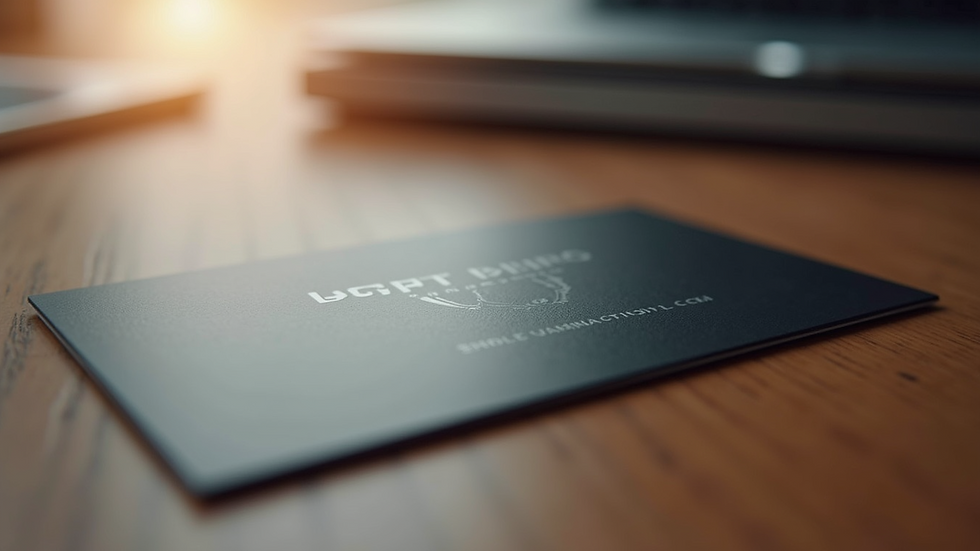
Design Tips for Creating Effective Business Cards
Design plays a crucial role in how your business card is perceived. Here are some practical tips to enhance your card’s design:
Keep It Simple: Minimalist designs often work best. Avoid clutter and focus on the essentials.
Use Both Sides: Utilize the back of the card for additional information like a tagline, social media handles, or a QR code.
Choose Colors Wisely: Colors evoke emotions. Use your brand colors but also consider contrast to ensure readability.
Incorporate Unique Features: Embossing, foil stamping, or spot UV coating can add a tactile element that makes your card memorable.
Shape and Size: While the standard size is 3.5 x 2 inches, experimenting with different shapes or rounded corners can make your card stand out.
Remember, the goal is to create a card that people want to keep, not discard.

How can I design a business card for free?
If you are on a budget or just starting out, there are several free tools and resources available to help you design a professional-looking business card:
Online Design Platforms: Websites like Canva, Vistaprint, and Adobe Express offer free templates that you can customize with your details.
Templates: Use pre-made templates to save time and ensure your card looks polished.
DIY Printing: You can print your cards at home using high-quality cardstock, but be mindful of print quality and cutting precision.
Mobile Apps: Some apps allow you to design and order business cards directly from your phone.
While free tools are convenient, investing in professional printing services can elevate the final product. For those interested in designing business cards, professional services offer customization options that free tools may lack.

Common Mistakes to Avoid When Creating Business Cards
Avoiding common pitfalls can save you time and money. Here are mistakes to watch out for:
Overcrowding: Too much information or too many design elements can overwhelm the recipient.
Poor Quality Printing: Low-resolution images or cheap paper can make your card look unprofessional.
Ignoring Brand Consistency: Using different fonts or colors than your brand can confuse potential clients.
Missing Contact Details: Double-check that all contact information is correct and complete.
Not Including a Call to Action: Encourage the recipient to take the next step, such as visiting your website or connecting on social media.
By steering clear of these errors, your business card will be a more effective marketing tool.
Making Your Business Card Work for You
A business card is only useful if it gets into the right hands and prompts action. Here are some strategies to maximize its impact:
Carry Them Everywhere: Always have cards on hand to seize networking opportunities.
Personalize When Possible: Write a short note on the back to remind the recipient of your conversation.
Use QR Codes: Link to your portfolio, website, or LinkedIn profile for easy access.
Follow Up: After handing out your card, follow up with a message referencing your meeting.
Distribute Strategically: Leave cards at local businesses, events, or community boards where your target audience frequents.
These tactics help ensure your business card is not just seen but remembered.

Creating effective business cards requires attention to detail, thoughtful design, and strategic distribution. By focusing on clarity, brand consistency, and quality, your business card can become a powerful tool for building connections and growing your professional network. Whether you choose to design your cards yourself or seek professional help, the effort you put into your business card will pay off in meaningful ways.


Comments